































Key Takeaways:
-
Seeing your scalp can mean low hair density, thinning at the root, or breakage, and each one needs a different fix.
-
Female pattern hair loss, hormonal changes, stress, and nutritional deficiencies are common causes of thinning at the root.
-
Minoxidil, PRP, hair transplants, and low-level laser therapy may support regrowth when follicles are still active.
-
In a 90-day Kosmoscience study (2026), 94% of women who slept in a Blissy silk bonnet noticed less hair breakage or split ends.
Short Answer: Why Is My Hair So Thin I Can See My Scalp?
Seeing more scalp usually means one of three things: naturally low hair density, thinning at the root, or breakage that leaves strands shorter and sparser. Thinning from female pattern hair loss, hormonal changes, or nutritional deficiencies often responds best to early treatment, such as minoxidil, PRP, or diet changes. Breakage is easier to fix. Gentler styling and sleeping in silk help protect the hair you have. In a 90-day Kosmoscience study (2026), 94% of women who slept in a Blissy silk bonnet noticed less hair breakage or split ends.
Sudden shedding, bald patches, or a widening part? See a dermatologist to find the cause before you choose a treatment.
If you’ve ever looked in the mirror and thought, “My hair is so thin I can see my scalp,” you’re not alone. Whether it’s gradual or sudden, scalp visibility can feel alarming—especially if you once had thicker hair or never thought about hair density before.
This kind of hair thinning can happen for many reasons: age, hormones, stress, nutrient deficiencies, or underlying health issues. Conditions like male pattern baldness, female pattern hair loss, or even autoimmune disorders like alopecia areata can all affect your hair growth over time.
Even if you have naturally fine hair, increased scalp visibility can feel like a big change—and it’s normal to feel self-conscious. You can take real steps to understand what’s happening and support your scalp and strands for stronger, healthier-looking hair.
Natural Variance in Hair Density
Understanding how hair density works can help you better manage hair thinning and promote overall hair health.
What Is Hair Density?
First, what is hair density? This refers to the number of hair strands you have overall. You can have low, medium, or high hair density, with high having the most strands.

What Affects Hair Density?
A bunch of factors can affect hair density, including genetics, age, and even your diet. You can't do much about genetic causes or the aging process. But there are other things you can do to boost hair density when your hair is so thin.
How do you know your hair density? Your ethnicity might help you figure that out. A 2017 study found that people of Caucasian descent have the highest hair density, while people of African descent have the lowest.
Your age can also help you determine your hair density. A 2020 study showed that hair density gets lower as people get older. For example, people in their 20s had around 1,064 hairs per square inch. This dropped to 1,004 hairs per square inch for those in their 60s.
Key Factors That Affect Hair Density:
-
Genetics – Your natural hair density is largely inherited and may be difficult to change.
-
Age – Hair density typically decreases with age, especially after your 20s.
-
Ethnicity – Studies show people of Caucasian descent tend to have higher hair density than other ethnic groups.
-
Diet & Nutrition – Nutrient deficiencies can lead to lower hair density and affect the hair growth cycle.
-
Hormones & Health Conditions – Imbalances (like thyroid disorders) can disrupt healthy hair growth.
Further Reading:
How to Check Your Hair Density
There are a couple of ways to check your hair density, including the ponytail test and the visible scalp test.
Hair Density Test #1: The Ponytail Test
Gather your hair into a ponytail and measure the circumference.
If your ponytail is under 2 inches around, you likely have low hair density; 4 inches or more means high density.
| Hair Density | Measurement |
|---|---|
| Low Density | Less than 2 inches |
| Medium Density | Around 3 inches |
| High Density | 4 inches or more |
Hair Density Test #2: Visible Scalp Test
If your hair is so thin that you can see your scalp—especially under natural light—you likely have low hair density. This is even more common with fine hair, which can make thinning more noticeable even without actual hair loss.
| Scalp Appearance | Hair Density Interpretation |
|---|---|
| Scalp visible under natural light | Low hair density |
| Thinning noticeable but no shedding | Often linked to fine hair |
| Hair looks thin at the roots | Could indicate low density, not necessarily hair loss |
Scalp visibility also depends on contrast. Dark hair on a light skin tone shows more scalp than blonde hair on the same skin tone, even at the same density. Your hair colour, hair texture, and where you part your hair all change how much scalp shows. If you only see more scalp under bright overhead light, that's often normal. If you see more scalp than you did a year ago, that points to noticeable thinning.
Hair Thinning vs. Hair Breakage: How to Tell the Difference
These terms might seem similar, but they refer to different things. Hair breakage means the hair shaft snaps somewhere along its length, usually mid-shaft or at the ends. The follicle keeps working, so new hair still grows. Hair thinning happens at the root: follicles shrink, rest longer, or stop making hair.
You can usually find out why hair breakage is happening and take steps to correct it. With hair loss, it can be harder to regrow hair and restore healthy hair follicles.

Hair thinning and hair breakage can look similar, but they have different causes and require different treatments. Here's a chart that can help you tell the difference.
Hair Breakage vs. Hair Thinning: Key Differences
Wondering if it's hair breakage or thinning? Use this side-by-side comparison to spot the differences and identify what’s affecting your hair.
|
Feature |
Hair Breakage |
Hair Thinning |
|---|---|---|
|
Where it happens |
Mid-shaft or ends of the hair |
At the root or follicle |
|
What it looks like |
Split ends, uneven strand lengths, flyaways |
Gradual scalp visibility, finer strands |
|
Main causes |
Heat styling, tight hairstyles, harsh chemicals, hair damage |
Aging, stress, poor nutrition, hair growth cycle disruption |
|
Hair follicle health |
Follicles still active; hair is just breaking |
Follicles may weaken or shrink |
|
Reversibility |
Yes—can improve with gentle care and protective hair products |
Often, yes—especially if caught early and treated with proper interventions |
|
Common symptom |
Broken strands, frizz, dry or brittle texture |
Thinner ponytail, visible scalp, overall reduction in hair density |
Common Causes of Hair Breakage
What causes hair to break? Below are the most common causes of hair breakage:
-
Stress
-
Tight hairstyles
-
Nutrient deficiencies
-
Heat styling
-
Dry, dehydrated hair
Your hair breaks when it's dehydrated or dry and doesn't have the right nutrients. (Want to know how to moisturize your hair the right way? ➡️Click here.)
Common Causes of Hair Loss
Hair loss affects people of all ages and can be triggered by a range of internal and external factors. According to Harvard Medical School, the most common causes include:
-
Aging: As we get older, hair growth naturally slows, and follicles may shrink or stop producing new hair altogether.
-
Hormonal changes: Events like pregnancy, menopause, and thyroid imbalances can disrupt the hair growth cycle. Postpartum hair loss is particularly common, often peaking a few months after childbirth.
-
Medical conditions: Autoimmune diseases (such as alopecia areata or lupus), thyroid disorders, and chronic illnesses can contribute to thinning or patchy loss. An itchy scalp may also indicate underlying inflammation or scalp conditions that affect healthy growth.
-
Genetics: Hereditary hair loss (androgenetic alopecia) is the leading cause of progressive thinning in both men and women, often following a predictable pattern. In men, it often starts as a receding hairline. Female pattern hair loss usually shows up as a widening part and more scalp on top.
-
Stress or major life changes: Physical or emotional stress—including illness, surgery, or rapid weight loss—can shock hair follicles into a resting phase, leading to noticeable shedding (telogen effluvium). Not all hair loss is permanent. This kind of temporary hair shedding usually grows back once the stressor passes.
-
Nutrient deficiencies: Inadequate intake of iron, biotin, vitamin D, or protein may impair the hair’s natural renewal process.
If you’re experiencing sudden or unexplained hair loss—especially accompanied by scalp irritation—it’s best to consult a healthcare provider to identify the root cause and explore appropriate treatments.
Steps to Boost Hair Density: 6 Proven Treatments and Remedies for Thinning Hair
Wondering how to reduce scalp visibility or treat thinning hair? The right solution depends on the cause—whether it’s stress, hormone changes, or a medical condition. In many cases, lifestyle tweaks or scalp-friendly hair care can make a difference, but more advanced options like PRP or hair transplant surgery may be needed.
Below, you'll find evidence-based ways to treat thinning hair, from topical treatments and medications to professional procedures that support long-term hair growth.

1) Medications to Treat Thinning Hair and Hair Loss
Is your hair thinning due to female or male pattern baldness? Certain medications may help slow the thinning process or even help you regrow hair. The Mayo Clinic states that medications, such as Minoxidil (Rogaine) and Finasteride (Propecia), are effective when used for hair thinning or hair loss.
Minoxidil is available over the counter for both men and women. Finasteride is a prescription drug for men and isn't FDA-approved for women. Both take months of daily use to show results, and hair loss can return if you stop.
While these medications can work, they may cause side effects. Fortunately, there are plenty of other options to explore.
2) Hair Transplant Surgery for Long-Term Hair Regrowth
If you have thin hair, a hair transplant might help you regrow hair. This procedure involves taking hair from other areas of your body and moving it to thinning or balding areas. Putting healthier hair follicles in these areas of your scalp may help promote hair growth.
Not everyone is a candidate for this kind of procedure. A 2021 study showed that hair transplantation is effective for people with certain causes of hair thinning or hair loss, including female pattern hair loss. But people with unstable hair loss or other conditions were found to be unsuitable candidates for hair transplants.
3) Platelet-Rich Plasma (PRP) Injections to Stimulate Hair Growth
Platelet-rich plasma (PRP) injections are another option for thinning hair. A 2020 study found that these injections can effectively treat hair loss or thinning hair in people with alopecia. What exactly are they?
PRP injections involve turning a sample of your blood into platelet-rich plasma, then injecting this into your scalp. These injections are used for treating hair loss and stimulating hair growth in people who have had a hair transplant.
4) Hair Products and Hair Care Changes That Reduce Scalp Visibility
You don't necessarily have to turn to procedures or medications for thinning hair. Take a look at the way you treat your hair.
If you don't have underlying medical conditions or hair conditions like alopecia, a few simple changes to your hair routine may help boost hair density:
-
Avoid tight hairstyles
-
Limit the use of heated styling tools
-
Use volumizing shampoos or sulfate-free shampoos
Avoiding tight ponytails and other tight hairstyles helps protect your hair from damage that can lead to thinning. Avoiding or limiting heated styling tools, like curling irons, also helps reduce the risk of hair damage.
Using topical treatments, such as volumizing shampoos, might help your hair look fuller. Sulfate-free shampoos are gentle on hair follicles, which helps reduce the risk of dryness and damage.
Quick ways to make thin hair look fuller:
☐ Use lightweight volumizing products so thin hair doesn't go limp
☐ Apply conditioner to mid-lengths and ends only, which keeps roots from getting greasy and flat
☐ Skip heavy oils and creams near the roots
☐ Use a clarifying shampoo once a week to remove buildup that weighs hair down
☐ Add grip with dry shampoo or a texturizing spray instead of heavy hairspray
☐ Get a trim every 6–8 weeks to remove split ends and keep ends looking thick
☐ Ask for a cut that adds layers or texture. The right haircut can change how full your hair looks.
☐ Switch your part. Hair that's always parted in one spot can lie flat and show more scalp.

5) Nutrient-Rich Diets That Support Healthy Hair Growth
Are you getting essential nutrients for healthy hair? Some vitamins and minerals play a role in hair growth. Nutritional deficiencies may lead to hair thinning. Adding certain nutrients to your diet can help your hair become healthier.
A 2018 study showed that the nutrients listed below are important for healthy hair. Here are the nutrients that support hair growth and the foods that provide them.
Nutrients That Help Prevent Hair Fall & Foods That Provide Them
| Nutrient | Best Food Sources |
|---|---|
| Biotin | Eggs (especially yolks), almonds, walnuts, sweet potatoes, spinach, oats |
| B Vitamins | Whole grains, dairy, meat (especially liver), leafy greens, legumes |
| Iron | Red meat, lentils, spinach, pumpkin seeds, quinoa, tofu |
| Protein | Eggs, chicken, fish, lentils, chickpeas, Greek yogurt, paneer |
| Vitamin A | Carrots, sweet potatoes, kale, spinach, pumpkin, mango |
| Vitamin C | Oranges, strawberries, kiwi, bell peppers, guava, broccoli |
| Vitamin D | Fatty fish (salmon, mackerel), egg yolks, fortified milk & cereals, sunlight exposure |
| Vitamin E | Almonds, sunflower seeds, spinach, avocado, peanuts |
| Zinc | Pumpkin seeds, chickpeas, nuts, whole grains, dairy, oysters |
Test before you supplement. Nutritional deficiencies are one of the few causes of thinning you can check with a blood test. According to the same 2018 review, taking too much vitamin A or selenium can actually cause hair loss, so ask your doctor before adding supplements.
6) Low-Level Laser Therapy (LLLT) to Support Hair Follicles
Low-level laser therapy uses red light from caps, combs, or helmets to stimulate hair follicles. Several at-home devices are FDA-cleared for pattern hair loss. Research on physical treatments for androgenetic alopecia suggests LLLT may help improve hair density for some people, but results are modest and take months of consistent use. It works best alongside other treatments, not as a replacement.
How Blissy Silk Supports Hair Health and Scalp Health Overnight
The fabric you sleep on matters—especially if you’re experiencing hair thinning. Rough materials like cotton or polyester create friction that can lead to frizz, breakage, and long-term hair damage.
Silk, on the other hand, protects your strands. Its ultra-smooth surface helps:
-
Minimize tugging and pulling while you sleep
-
Reduce friction that leads to split ends and hair breakage
-
Retain natural oils to support scalp health and hydration
-
Help protect existing hair from breakage, so thin hair keeps more of its length and fullness
Silk won't regrow hair or treat pattern hair loss. What it can do is help protect fragile, individual hair strands from friction while you sleep, so breakage doesn't make thin hair look even thinner.
What a 90-Day Clinical Study Found
In a 90-day Kosmoscience study (Brazil, 2026), 34 women with dull or damaged hair slept in a Blissy Silk Bonnet every night. After 90 days:
- 94% noticed less hair breakage or split ends
- 97% had fewer tangles in the morning
- 91% noticed less scalp dryness or irritation
- 97% said it was better than other bonnets they'd used, like satin
Study was dermatologist-supervised and sponsored by Blissy. Results are based on participant perception. Individual results may vary.
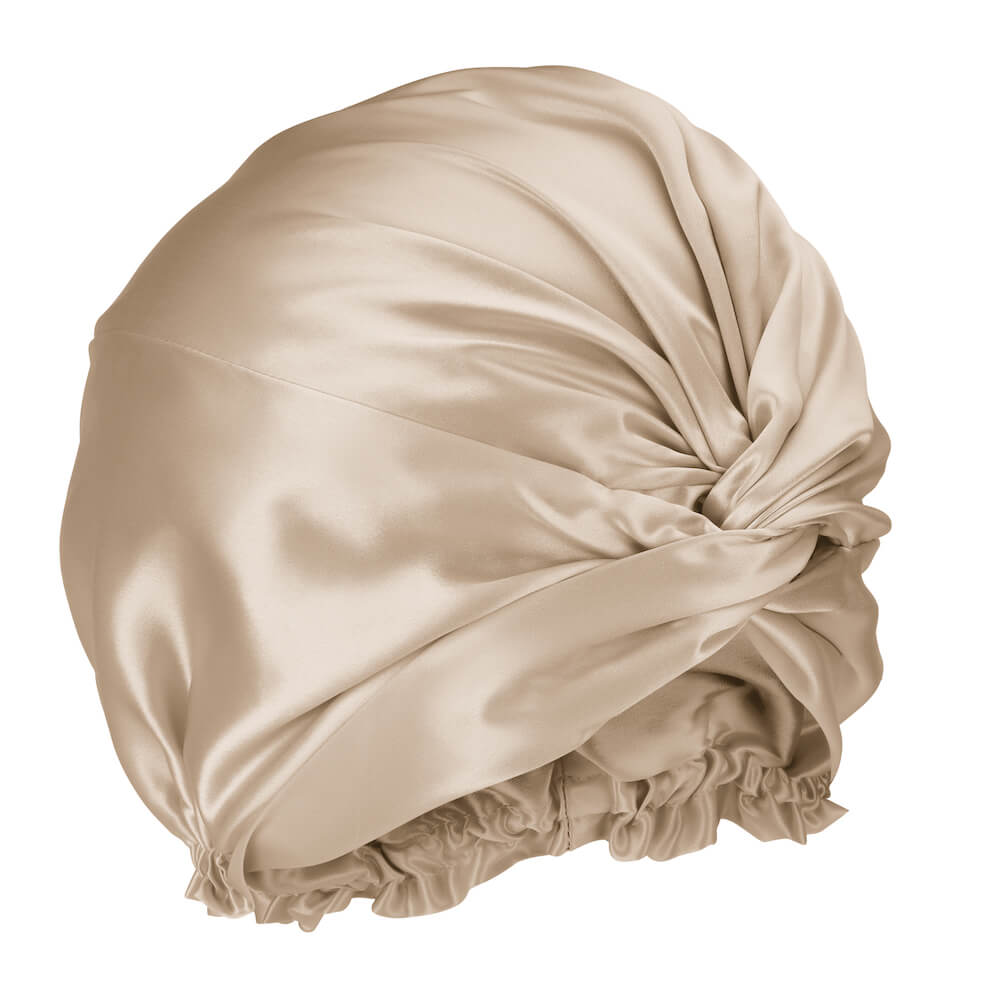
Blissy Silk Pillowcases and Bonnets are made from 100% 22-momme, Grade 6A mulberry silk and are OEKO-TEX certified, which means they're tested for harmful substances. They’re gentle on fragile hair, especially fine hair, and designed to support stronger strands and healthier-looking hair over time. For very long hair, braids, or extensions, the Blissy Cascade Bonnet is designed with extra length to help prevent snags.
Dr. Mara Weinstein Velez, MD, board-certified dermatologist, explains: "As a dermatologist, clinical studies are everything when it comes to skin and hair. I highly recommend Blissy because it's the only clinically tested pillowcase on the market. It's soft, durable and it will help preserve a blowout. The studies also show that the skin's hydration and softening is preserved when using Blissy. A win win!"
Wrapping hair in a silk bonnet or sleeping on a silk pillowcase is an easy, non-invasive way to care for your hair—whether you’re actively treating thinning or simply protecting what you have.



Further reading:
Frequently Asked Questions: My Hair Is So Thin I Can See My Scalp
Protect Thin Hair While You Sleep
If your hair is so thin you can see your scalp, start by finding the cause, then protect the hair you have. A silk bonnet or pillowcase is an easy, non-invasive way to help reduce breakage overnight. Blissy Silk Pillowcases and Bonnets come in 22-momme mulberry silk, in neutrals and bold colors. Browse the full collection to find your fit.


